
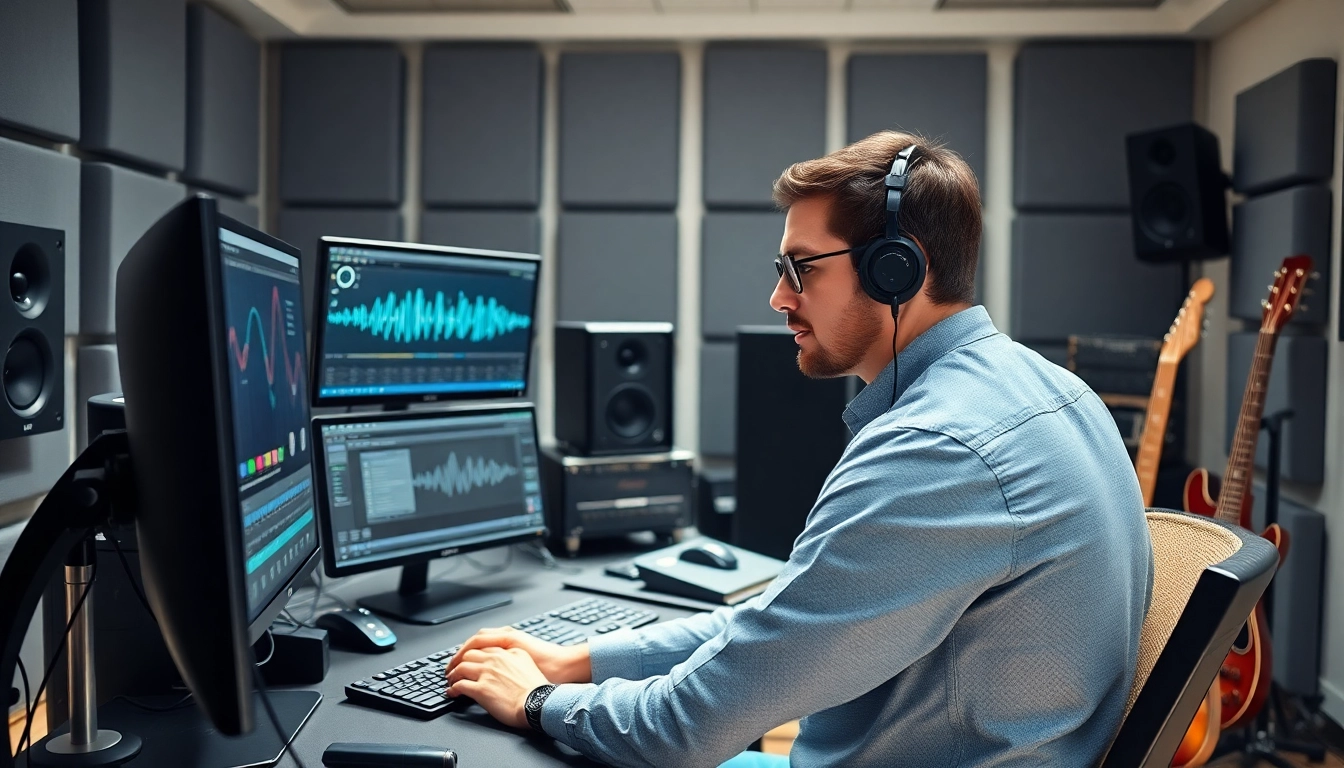
Understanding Online Audio Mastering
What is Online Audio Mastering?
Online audio mastering is the final step in the music production process. It involves preparing and transferring recorded audio from a source to a data storage device, the purpose being to maximize sound quality. The process typically takes place after mixing, where various audio elements are balanced and enhanced. In the online realm, audio mastering can be performed remotely, allowing artists and producers to utilize professional services without geographic constraints. By seeking online audio mastering, musicians can achieve polished tracks ready for distribution across various platforms.
Benefits of Online Audio Mastering
The transition to online services has democratized audio mastering, making it accessible to independent artists and professionals alike. There are numerous benefits to opting for online audio mastering, including:
- Cost-Effectiveness: Many online services provide competitive pricing, enabling artists to find options that fit their budgets.
- Speed and Convenience: Online services often have quick turnaround times, allowing for immediate feedback and adjustments.
- Access to Expertise: Musicians can tap into the knowledge and experience of industry professionals who specialize in mastering.
- Flexibility: Artists can send tracks from anywhere in the world and select a service that meets their specific needs.
Key Differences Between Mastering and Mixing
It is essential to understand the distinction between mixing and mastering, as they serve different purposes in music production. Mixing refers to the process of blending multiple audio tracks together, where each element’s volume, EQ, and effects are adjusted for a balanced sound. On the other hand, mastering enhances the final mix by preparing it for distribution. Mastering ensures the track meets industry standards for loudness, clarity, and tonal balance.
The Online Audio Mastering Process
Steps in the Mastering Workflow
The online audio mastering process typically consists of several key steps:
- Initial Review: The mastering engineer listens to the provided mix and assesses its strengths and weaknesses.
- Audio Editing: Minor corrections are made, such as volume adjustments, fades, or removing unwanted noises.
- Equalization (EQ): Frequency adjustments are made to balance the tonal quality of the track.
- Dynamic Processing: Compression and limiting are used to control the dynamics and ensure the track translates well across playback systems.
- Finalizing the Master: The finalized audio is prepared for delivery in various formats, ensuring it meets all technical requirements.
Selecting the Right Service for Your Needs
Choosing the right online audio mastering service is crucial for achieving the best possible sound. Consider the following factors:
- Genre Specialization: Some services focus on specific genres, ensuring they understand the nuances required for mastering particular styles.
- Engineer Experience: Research the qualifications and past work of the mastering engineers at the service.
- Communication: Look for a service that encourages communication, allowing artists to convey their vision and preferences.
Common Tools Used in Mastering
The tools and software used in online audio mastering can greatly influence the outcome of a project. Commonly used tools include:
- Digital Audio Workstations (DAWs): Software like Pro Tools, Logic Pro, and Ableton Live serve as the primary platforms for mastering.
- Plugins: Specialized plugins like iZotope Ozone and FabFilter Pro-L offer advanced mastering effects, from equalization to limiting.
- Hardware Processors: Some online services utilize high-end analog equipment for additional warmth and character.
Choosing a Quality Online Audio Mastering Service
Evaluating Reviews and Sample Work
When considering an online mastering service, take the time to evaluate their reviews and sample work. Listening to previous projects can provide insight into their capabilities. Look for testimonials from other artists regarding their experience and outcomes. A portfolio showcasing various styles can indicate versatility and skill.
Pricing Factors in Online Audio Mastering
The cost of online audio mastering can vary significantly based on several factors:
- Turnaround Speed: Faster services usually come at a premium price.
- Track Length: Longer tracks may result in higher fees, as they require more time and resources to master.
- Services Offered: Some providers include additional services such as revisions or providing multiple format files.
Guarantees and Turnaround Times
Understanding a service’s guarantees and turnaround times is essential. Most reputable companies will provide a range for expected delivery, often between 1 to 7 days. Some offer expedited options for urgent projects, so assessing these guarantees helps manage expectations and ensures timely delivery for releases.
Best Practices for Your Mastering Files
Preparing Your Tracks for Mastering
Proper preparation of your audio files can significantly enhance the mastering process. Start by ensuring that your mixed tracks are clean, free of distortion, and not overly compressed. Render them at the highest resolution possible, usually 24-bit WAV files. Additionally, include a short note outlining your vision and preferences about the sound quality.
Common Mistakes to Avoid
Avoiding common pitfalls can make the mastering process smoother. Here are some mistakes to steer clear of:
- Submitting Unmixed Tracks: Ensure that mixing is complete before sending tracks for mastering.
- Neglecting File Specifications: Check the service’s requirements for file formats and sample rates.
- Inconsistent Levels: Make sure your track has consistent levels with no clipping or peaking.
Understanding Formats and Specifications
To achieve the best results, understanding the different formats and specifications involved in mastering is vital. Common file formats include WAV, AIFF, and FLAC. Ensure that files are prepared in a resolution that meets the requirements of your chosen online audio mastering service. Moreover, familiarize yourself with standard sample rates, typically 44.1 kHz or 48 kHz for final masters.
Measuring the Success of Your Mastered Tracks
Analyzing Sound Quality and Dynamics
Once your tracks have been mastered, the next step is to analyze the sound quality and dynamics. Listen critically on various playback systems, including studio monitors, headphones, and consumer speakers. Assessing how your track translates across different environments helps in understanding its quality.
Receiving Feedback from Listeners
Feedback from peers, fans, or industry professionals can offer valuable insights into the effectiveness of your mastered track. Consider creating focus groups or listening sessions to gauge reactions. Pay attention to comments about clarity, dynamics, and emotional impact, which can guide your future projects.
Using Streaming Platforms for Distribution
Once you have your mastered tracks ready, distributing them via streaming platforms is crucial for reaching a wider audience. Ensure your audio files meet the submission guidelines for platforms such as Spotify, Apple Music, or SoundCloud. Each platform may have specific requirements regarding loudness and file formats.
FAQs
1. What file formats are acceptable for online audio mastering?
Common formats include WAV, AIFF, and FLAC. Ensure your files are high resolution for the best outcome.
2. How long does online audio mastering typically take?
Most services offer a turnaround of 1-7 days, depending on their workload and the complexity of the project.
3. Can I provide specific instructions for my audio master?
Yes, many mastering services welcome specific preferences to tailor the final product to your sound.
4. How do I know which mastering service to choose?
Evaluate samples, read reviews, and consider pricing structures to find a service that meets your creative needs.
5. What is the difference between mixing and mastering?
Mixing involves balancing individual tracks, while mastering focuses on overall sound quality and final adjustments.

