
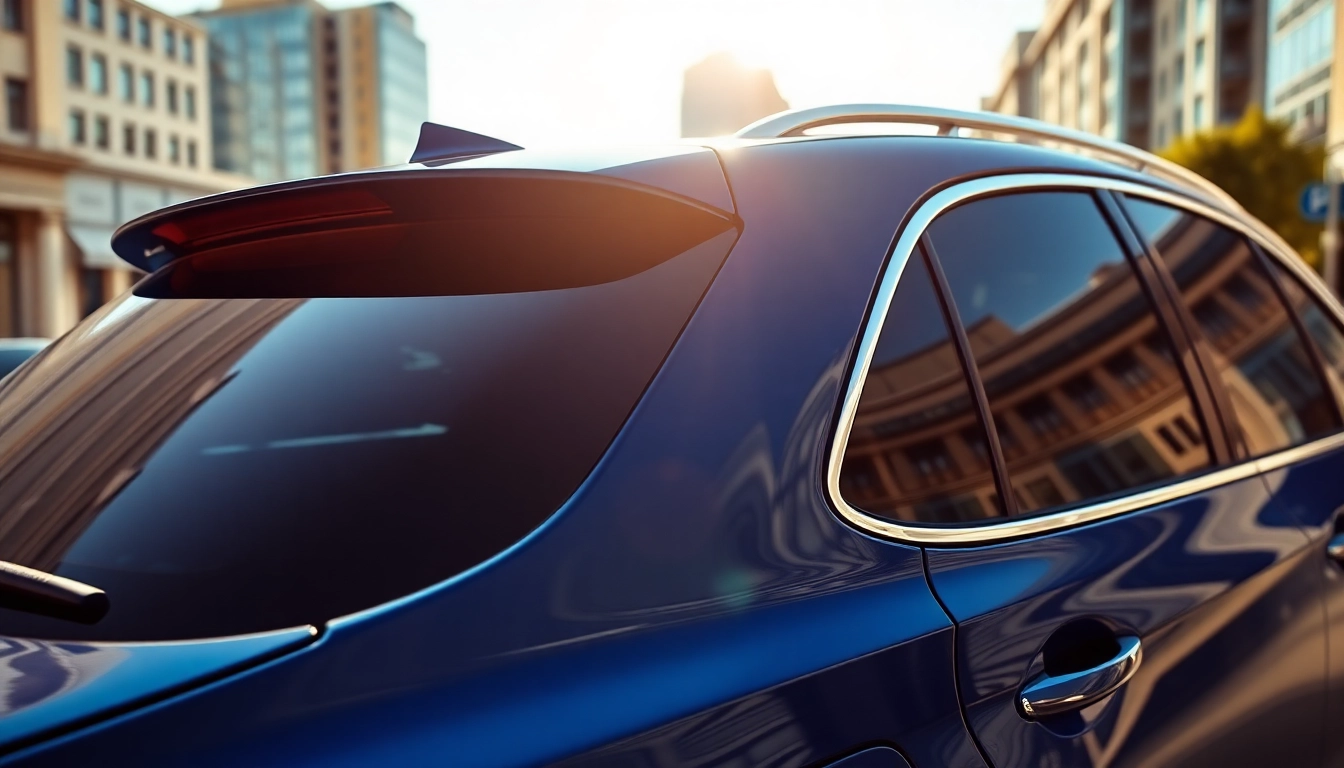
Understanding Window Tinting
What Is Window Tinting?
Window tinting is the process of applying a thin, transparent film to the windows of vehicles, homes, or commercial buildings. This film is made from various materials, including polyester, and is coated with other substances to enhance performance. The primary purpose of window tinting is to reduce glare from the sun and improve privacy while enhancing the aesthetic appeal of the property. Many people search for window tint near me to find options that suit their needs and location.
Benefits of Window Tint Near Me
Exploring local options for window tinting offers numerous benefits. Firstly, it significantly reduces heat accumulation inside vehicles and buildings, leading to a more comfortable environment. Furthermore, quality window tint can block up to 99% of harmful UV rays, protecting both your skin and any interior furnishings from fading. Additionally, window tinting enhances privacy without sacrificing visibility, making it an appealing choice for both personal safety and a sleek look. Lastly, it can contribute to energy savings by lowering air conditioning costs, thus providing a longer-term financial benefit.
Common Myths About Window Tinting
Despite the popularity of window tinting, several myths persist. One common misconception is that darker tints are always better. However, effective window tints come in various shades and materials that provide varying levels of heat reduction and UV protection. Another myth is that window tinting significantly reduces visibility. While extreme tints can impair vision, high-quality window films are designed to maintain line-of-sight while improving comfort. Lastly, many believe that all tints are illegal; in reality, regulations vary by location, and many compliant options are available for consumers.
Choosing the Right Type of Window Tint
Different Window Tint Options Explained
When selecting window tint for your vehicle or property, it is essential to understand the different options available. The most common types include dyed, metalized, ceramic, and hybrid films. Dyed films provide aesthetic benefits and heat reduction by absorbing sunlight. Metalized films, made with microscopic metal particles, effectively block UV rays and heat but can interfere with electronic devices. Ceramic films offer superior heat rejection, glare reduction, and UV protection without interfering with signal transmission. Lastly, hybrid films combine the features of both dyed and metalized options for versatile performance.
Choosing the Best Tint for Your Vehicle
Your choice of window tint can impact both comfort and appearance. Begin by assessing your climate since hotter environments could necessitate a tint with higher heat rejection. Consult the vehicle’s owner’s manual and the local regulations to ensure compliance with legal limits. Be sure to consider your personal preferences for aesthetics, as well as any additional features, such as fade resistance and warranty. A professional installer can provide valuable insights tailored to your specific vehicle.
Legal Regulations on Window Tint Near Me
Understanding the legal regulations surrounding window tinting in your area is crucial before making a decision. Each state or region has specific laws regarding the allowable levels of visible light transmission (VLT) for various windows in vehicles. Some areas may also restrict the use of reflective tints. Reviewing and respecting these regulations will ensure that you avoid any legal issues and fines while enjoying the benefits of window tinting.
Window Tint Installation Process
What to Expect During Installation
The window tint installation process typically takes a few hours, depending on the number of windows being tinted. Upon arrival at the installation location, the technician will clean the windows to remove any dirt or debris. The chosen tint will then be cut to size and applied using a special adhesive. Bubbles may initially appear during application but usually disappear as the tint cures. Overall, most customers find the process straightforward and efficient, leading to immediate enhancements in comfort and style.
DIY vs. Professional Installation
While some may consider DIY installation of window tint, it is advisable to hire a professional for the best results. Professionals have the experience and tools necessary to ensure that the tint is applied correctly, avoiding common pitfalls such as bubbles, misalignments, or peeling edges. Additionally, many professional installations come with warranties that cover any defects, providing peace of mind. It is possible to find instructional videos for DIY projects, but achieving a perfect finish can be challenging without professional skills.
How Long Does Installation Take?
The length of time required for window tint installation can vary based on several factors, including the complexity of the job and the type of vehicle. Generally, installing tint on a standard car can take anywhere from two to four hours, while larger vehicles such as SUVs or vans may require a bit longer. It’s also essential to factor in time for the tint to cure fully after installation; this can range from a few days to a week, depending on the specific film used and environmental conditions.
Caring for Your Window Tint
Maintenance Tips for Long-Lasting Tint
To maintain the integrity and appearance of your window tint, adopting a few simple care practices is key. Avoid rolling down your windows for at least three to five days after installation to allow the tint to cure properly. When cleaning the tinted surfaces, use a soft cloth and avoid abrasive materials or ammonia-based cleaners, which can degrade the film. Regularly inspecting for scratches or peeling can also help catch any issues early and maintain a polished look for your windows.
Common Issues and Solutions
As with any product, window tints can present some common issues over time. Bubbling or peeling may occur due to improper installation or age. If you notice such problems, it’s best to consult a professional for possible repair or replacement options. In some cases, simply reapplying the affected areas can solve minor issues without needing full replacement. Keeping your tinted windows clean and in good condition will mitigate many common problems and extend the life of the tint.
Signs You Need to Replace Your Window Tint
Over time, even high-quality window tints may show signs of wear and tear that suggest it’s time for replacement. A fading or discolored tint can indicate that the film has lost its protective properties and effectiveness. Additionally, any bubbling, peeling, or cracking of the film is a clear sign that replacement is inevitable. If the tint impairs visibility or looks unsightly, opting for new installation may not only enhance your vehicle’s appearance but improve functionality as well.
Cost Considerations and Value
Factors Affecting Window Tint Prices
Several factors influence the cost of window tinting, including the type of film selected, the number of windows, and the vehicle’s size. High-performance films with superior UV protection and heat rejection capabilities typically come at a premium. Additionally, local labor rates may vary, affecting installation costs as well. Taking the time to research and obtain multiple estimates will help ensure you receive value for your investment.
Comparing Costs for Window Tint Near Me
When searching for window tint near me, comparing prices from different providers can help you make an informed decision. Look for companies with strong reputations, quality materials, and comprehensive warranties. Be cautious of prices that seem too good to be true, as they may reflect lower-quality products or substandard installation practices. Prioritizing quality over sheer cost will yield better long-term value.
Long-Term Savings with Quality Tinting
Investing in quality window tint can lead to substantial long-term savings. The initial cost is often offset by reduced energy bills due to lower air conditioning usage over time. Furthermore, it protects the vehicle’s interior from sun damage, maintaining resale value. Many high-quality tints also come with warranties that add to long-term value, ensuring that your investment is protected and providing peace of mind.
Frequently Asked Questions (FAQs)
What is the best type of window tint for privacy?
Metalized and ceramic tints are typically best for privacy, as they reduce visibility while maintaining heat rejection.
How can I tell if my window tint is legal?
Check your state’s regulations on visible light transmission (VLT) for your vehicle’s windows to ensure compliance.
Can I clean my tinted windows?
Yes, but use a mild cleaner and soft cloth. Avoid ammonia-based products, which can damage the tint.
How long does window tint last?
Quality window tints can last anywhere from five to ten years, depending on maintenance and environmental factors.
Is professional installation worth it?
Yes, professional installation ensures the proper application, minimizes defects, and often includes a warranty for added peace of mind.