
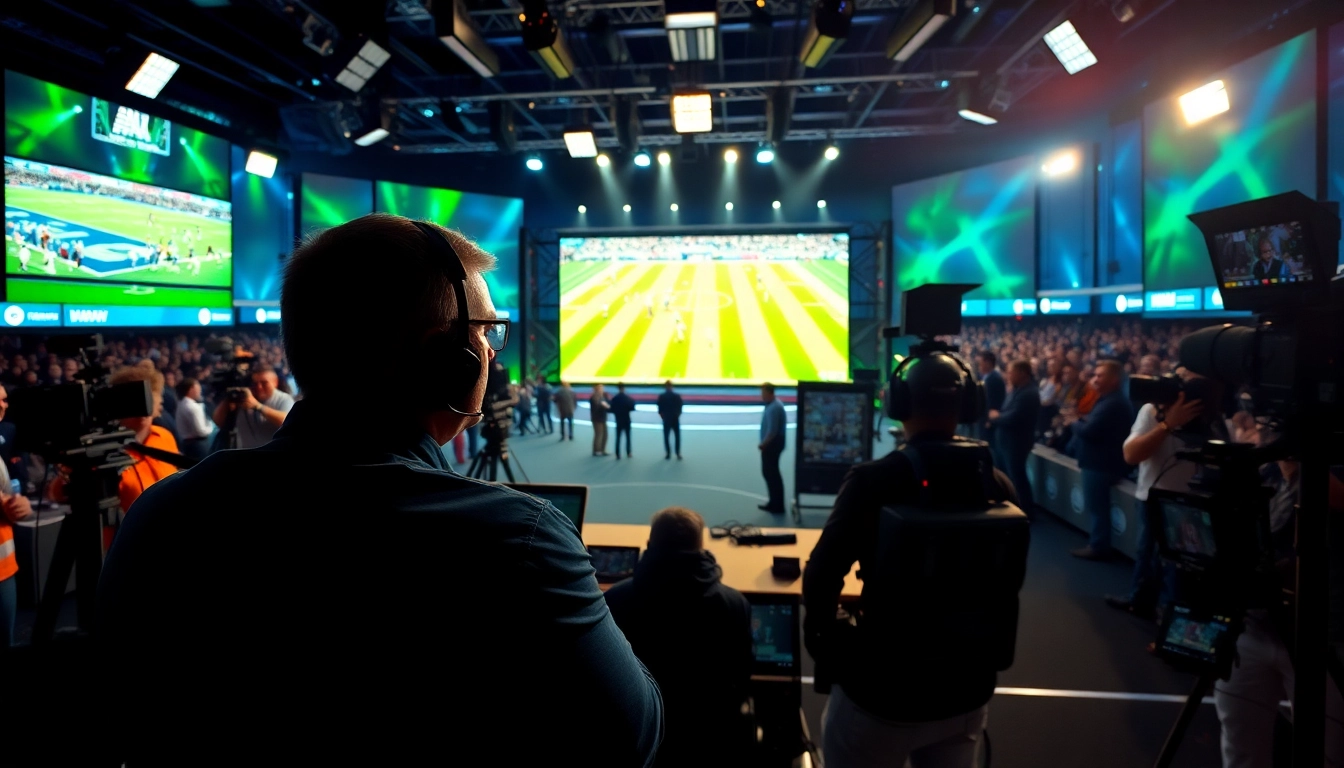
Introduction to Sports Broadcasting
In a world where sports are not just games but extensive storytelling avenues, Sports Broadcasting serves as a critical junction between the action on the field and the fans eagerly glued to their screens. This fascinating field encapsulates the art of delivering sports events, commentary, and analysis to viewers, amplifying the emotional and cultural connections that games inspire.
Defining Sports Broadcasting
Sports Broadcasting encompasses all forms of disseminating sports content through audio, visual, and digital platforms. This includes live telecasts, highlight shows, podcasts, and online streams that bring sports events directly to the audience’s fingertips. At its core, it fuses entertainment with detailed analysis, enfolding viewers in the action and broader narrative of each sporting event.
The Evolution of Sports Broadcasting
The journey of Sports Broadcasting began in the early 20th century with radio broadcasts of significant events. As technology evolved, so did the methods of delivering sports to the audience. Television emerged as a transformative medium, allowing audiences to experience games in real-time from the comfort of their homes. Over the years, developments like cable television, satellite communications, and most recently, streaming services have revolutionized how fans access sporting events, changing the dynamics of engagement.
Importance of Sports Broadcasting in Media
Sports Broadcasting plays an indispensable role in media by contributing significantly to revenue generation through advertising and sponsorship. Furthermore, it cultivates community, fostering connections among fans who share a passion for their favorite teams. In a digital age, it presents numerous opportunities for content creators to engage audiences through innovative formats, enhancing overall viewer experience.
Key Elements of Sports Broadcasting
Essential Broadcasting Equipment
Every broadcast relies heavily on specific equipment that ensures clarity and engagement. Essential tools include cameras with high-definition capabilities, microphones for crisp audio, and broadcasting software for content editing and live stream management. Mobile broadcasting tools have emerged as vital players, enabling coverage from various locations, which is crucial for dynamic sports production.
Role of Commentators and Analysts
Commentators and analysts are the voices of Sports Broadcasting. Their roles extend beyond just narrating events; they provide insights, context, and expert opinions that enrich the viewer’s understanding. The effectiveness of commentators relies on their ability to connect emotionally with the audience, weaving narratives that enhance the viewing experience, creating a soundtrack to the live event that resonates with fans.
Understanding Broadcasting Regulations
Broadcasting regulations guide the ethical and legal standards that govern sports coverage. These encompass content rights, broadcast schedules, and compliance with local laws surrounding advertisement placements. Understanding these regulations is crucial for media organizations to avoid penalties and foster fair play, ultimately ensuring that broadcasts serve the audience’s best interests.
Techniques and Strategies for Effective Broadcasting
Effective Communication Skills
Effective communication is at the heart of successful broadcasting. Commentators must articulate their thoughts clearly and dynamically, engaging listeners with varied vocal tones and pacing that reflect the intensity of the game. Mastering improvisation, pausing for effect, and establishing a rhythm can help maintain audience interest and add depth to the broadcast narrative.
Engaging the Audience
Engagement strategies extend beyond the broadcast itself. Utilizing social media to interact with viewers during live events can elevate the fan experience. Teams and broadcasters must employ strategies like live polls, Q&A sessions, and feedback loops to involve audiences in real-time, creating a shared experience that fosters loyalty and community.
Utilizing Data in Sports Broadcasting
Data analytics is transforming Sports Broadcasting. Today, commentators utilize in-depth statistics and performance metrics to provide informed commentary. This data aids in telling captivating stories about player performance, team strategies, and historical comparisons, enhancing the narrative around the live action. Adept broadcasters weave this information seamlessly into their commentary, making it digestible for the average fan.
Challenges in Sports Broadcasting
Handling Live Broadcast Challenges
Live broadcasting is rife with unpredictable elements, from technical difficulties to unexpected events on the field. Skilled broadcasters learn to pivot quickly, employing contingency plans to maintain continuity. Training and preparation play vital roles in ensuring teams can handle such challenges with grace, keeping viewers engaged despite potential hiccups.
Adapting to Technology Changes
The rapid pace of technological advancement means that sports broadcasters must remain agile and open to adopting new tools and platforms. This dynamic environment requires constant learning and adaptation, including virtual reality, augmented reality, and artificial intelligence integration, to enhance viewer experiences while ensuring broadcast production remains seamless.
Managing Viewer Expectations
As consumer expectations evolve with advancements in technology and content delivery, broadcasters face the challenge of meeting these ever-changing demands. Viewers now seek interactive, personalized content, compelling storytelling, and high-quality visuals. Understanding audience demographics and preferences can guide broadcasters in crafting experiences that align with viewer expectations, adapting content as necessary.
Future Trends in Sports Broadcasting
Impact of Streaming Services
The rise of streaming services is reshaping the landscape of Sports Broadcasting. Fans are gravitating towards on-demand content, prompting traditional broadcasters to evolve their strategies. Offering subscription models, multi-platform accessibility, and user-friendly interfaces are vital in appealing to younger audiences who prioritize convenience and personalized experiences.
Integration of Virtual Reality
Virtual Reality (VR) is set to redefine how fans experience sports. With VR technology, audiences can immerse themselves in the action as if they were part of the game. Broadcasters are exploring innovative avenues to incorporate VR experiences, creating unparalleled engagement that extends beyond traditional viewing, as fans can feel the thrill of being right there in the stadium.
Sustainability in Broadcasting Practices
Amid growing concerns about environmental impacts, sports broadcasters are focusing on sustainable practices. This approach appeals to an audience increasingly aware of ecological issues. Using eco-friendly materials for broadcasting infrastructure, reducing carbon footprints with energy-efficient technologies, and promoting sustainability through sports narratives resonate with modern viewers.
Frequently Asked Questions
What is sports broadcasting?
Sports broadcasting refers to the dissemination of sports-related content through television, radio, and online platforms, including live events, commentary, and analysis.
How has sports broadcasting evolved over time?
It has evolved from radio broadcasts to television and now includes streaming services, allowing for greater accessibility and viewer engagement.
What key equipment is essential for sports broadcasting?
Essential equipment includes high-definition cameras, microphones, broadcasting software, and mobile tools to enable coverage from various locations.
What is the role of commentators in sports broadcasting?
Commentators narrate events, provide insights, and engage audiences, enriching the overall viewing experience through their expertise and storytelling skills.
What are some future trends in sports broadcasting?
Future trends include the rise of streaming services, integration of virtual reality for immersive experiences, and a focus on sustainability in broadcasting practices.