Understanding LED A19 Bulbs
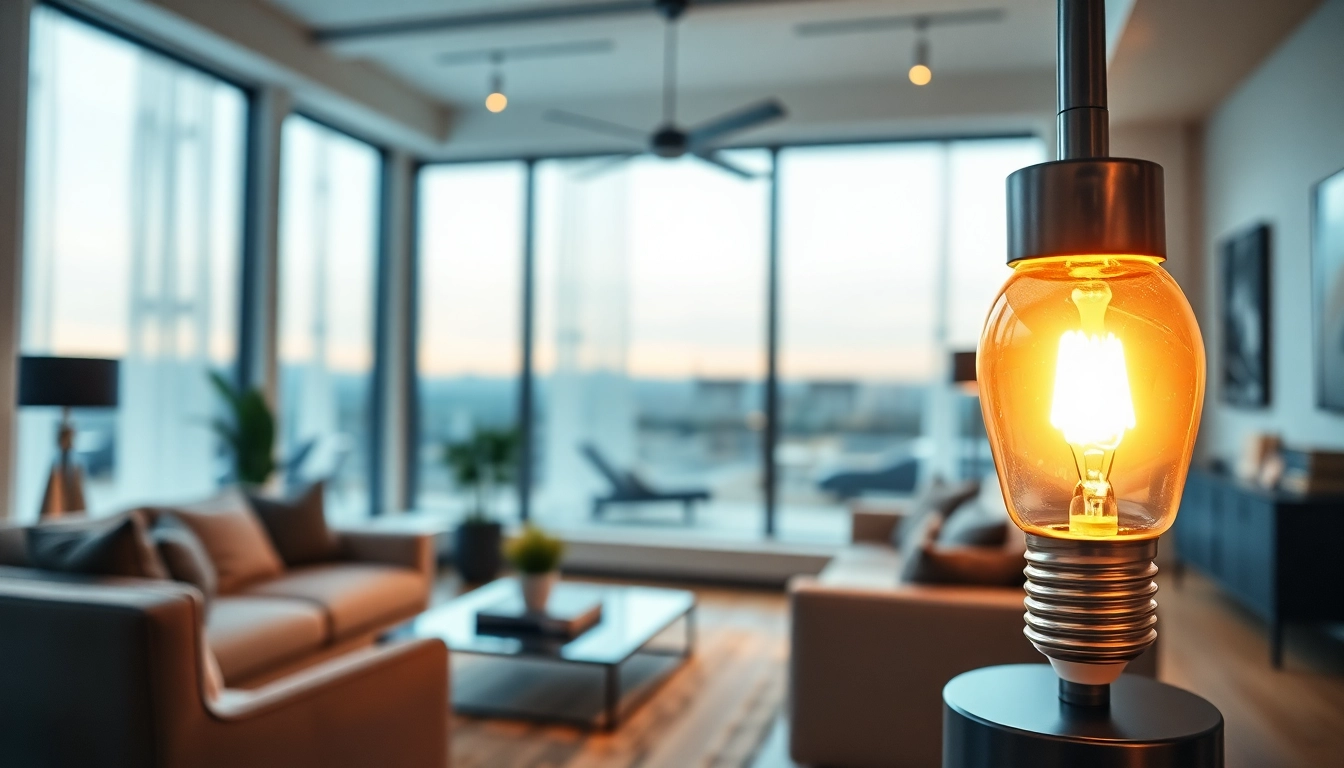
In the quest for energy efficiency and sustainability, LED A19 bulbs have emerged as a popular choice among homeowners and businesses alike. These bulbs combine modern technology with versatile design, offering an array of benefits that traditional lighting solutions simply cannot match. Whether you’re considering a home renovation or merely looking for ways to cut down on energy costs, understanding the advantages of led a19 is essential.
What Makes LED A19 Unique?
LED A19 bulbs are named after their shape and size; ‘A’ stands for arbitrary (the traditional bulb shape), while ’19’ indicates the bulb’s diameter in eighths of an inch. Characteristically, these bulbs are designed to fit standard fixtures and can be used in a range of applications, from table lamps to ceiling lights. What sets them apart from other bulb types is their energy-efficient LED technology, which converts more energy into light rather than heat.
Furthermore, LED A19 bulbs are available in various color temperatures and brightness levels, allowing users to select the ideal lighting for their specific environment and preferences. This versatility makes them a popular choice for both functional and aesthetic lighting needs.
Benefits of Choosing LED A19
Switching to LED A19 bulbs comes with a significant number of benefits. The most notable advantages include:
- Energy Efficiency: LED A19 bulbs consume significantly less power compared to incandescent or CFL bulbs, leading to reduced energy bills.
- Longevity: These bulbs can last up to 25,000 hours or more, outlasting traditional light sources by years.
- Durability: LED bulbs are made from solid-state materials, making them less prone to breakage and safer for indoor use.
- Low Heat Emission: Unlike incandescent bulbs that radiate heat, LED A19 bulbs produce minimal heat, making them safer and more efficient.
- Environmentally Friendly: LED bulbs do not contain toxic elements like mercury and are 100% recyclable.
Common Uses for LED A19
Due to their versatile design and availability, LED A19 bulbs are employed in various settings:
- Residential Lighting: Perfect for living rooms, kitchens, and bedrooms, they can enhance ambiance and functionality.
- Commercial Spaces: Suitable for retail locations, offices, and restaurants, they provide energy-efficient lighting solutions without compromising on quality.
- Outdoor Applications: When paired with suitable fixtures, they can illuminate patios and porches, adding safety and aesthetic appeal.
- Task Lighting: Ideal for reading lamps and workspace fixtures, they offer focused light that reduces eye strain.
Energy Efficiency and Cost Savings
How LED A19 Can Reduce Energy Bills
One of the most compelling reasons to switch to LED A19 is the measurable reduction in energy bills. Traditional incandescent bulbs convert only about 10% of the energy used into visible light. In contrast, LED A19 bulbs efficiently transform about 80-90% of energy into light. This efficiency translates directly into lower electricity consumption and, therefore, reduced monthly bills.
For instance, a standard 60-watt incandescent bulb can be replaced with a 9-13 watt LED A19 bulb, generating the same light output while consuming significantly less energy. Over time, savings can accumulate; homeowners could see a reduction of up to $100 per year in energy costs by replacing all bulbs in their home with LED A19 bulbs.
Comparing Lifespan with Traditional Bulbs
When assessing bulb longevity, LED A19 bulbs again stand out. The average lifespan of an LED A19 can reach up to 25,000 hours, while incandescent bulbs typically last around 1,000 hours. In practical terms, this means an LED A19 bulb could last over 20 years, depending on usage. This longevity also reduces the hassle and costs associated with frequent bulb replacements, making LED A19 an excellent investment for both home and business lighting solutions.
Choosing the Right Wattage for Your Needs
Choosing the right wattage for LED A19 bulbs involves understanding your lighting requirements. As a rule of thumb, lower wattage means lower energy consumption, but it also impacts brightness. Generally:
- Replacement for 40-watt incandescent: Use a 6-9 watt LED A19.
- Replacement for 60-watt incandescent: Use a 9-13 watt LED A19.
- Replacement for 75-watt incandescent: Use a 13-18 watt LED A19.
- Replacement for 100-watt incandescent: Use a 16-22 watt LED A19.
It is crucial to assess your desired brightness (measured in lumens) alongside wattage to ensure you select the most appropriate bulbs for your space.
Installation and Compatibility
How to Install LED A19 Bulbs
Installing LED A19 bulbs is a straightforward process that requires minimal tools and expertise. Follow these steps for a successful installation:
- Turn Off Power: Ensure the power is off to the fixture where you will be installing the bulb.
- Remove the Old Bulb: If applicable, gently twist and remove the existing bulb.
- Install the LED A19 Bulb: Insert the LED bulb into the socket and twist it clockwise until secure.
- Restore Power: Turn the power back on and test the new LED bulb.
In scenarios where you experience flickering or inconsistent lighting after installation, check to ensure the bulb is tightly fitted in the socket. Also, verify if your existing dimmer switches are compatible with LED technology.
Finding Compatible Fixtures
Not all fixtures are suited for LED A19 bulbs; compatibility is critical for optimal performance. When exploring fixture compatibility, consider the following:
- Socket Type: Ensure that the fixture has an E26 socket which is the standard for residential LED A19 bulbs.
- Dimming Capability: If you wish to use the bulb in a dimmable fixture, verify that both the bulb and fixture support dimming functionality.
- Heat Resistance: Some fixtures may retain heat. It’s essential to use fixtures that allow for adequate heat dissipation to maximize LED lifespan.
Troubleshooting Installation Issues
Even with a seemingly straightforward installation process, issues may occasionally arise. Should you face any challenges, here are common troubleshooting steps:
- Dim or Flickering Light: Ensure the bulb is securely screwed in and compatible with your fixture.
- Bulb Not Lighting: Check the power supply and ensure the fixture is working without a bulb.
- Incompatible Dimmers: Replace traditional dimmers with LED-compatible dimmers to prevent flickering.
Consult product guidelines or manufacturer websites for further details tailored to specific installation needs.
Design and Aesthetics
Integrating LED A19 in Home Decor
Beyond functionality, LED A19 bulbs can significantly enhance a space’s aesthetic appeal. Here’s how to incorporate them into home decor effectively:
- Layered Lighting: Use LED A19 bulbs in combination with ambient, accent, and task lighting to create depth and variation in your space.
- Color Coordination: Select color temperatures that blend harmoniously with wall colors and furnishings. Warmer tones are generally more inviting.
- Creative Fixtures: Utilize stylish lampshades or fixtures that showcase the bulb as a design element, turning your lighting into art.
With their flexibility in design and a wide range of available styles, LED A19 bulbs can complement any interior theme.
Color Temperatures and Their Effects
Understanding color temperatures is crucial in leveraging lighting effectively. LED A19 bulbs typically come in three main color temperatures:
- Warm White (2700K-3000K): Creates a cozy and inviting atmosphere, suitable for living rooms and bedrooms.
- Cool White (3500K-4100K): Offers a clean and energetic feel, ideal for kitchens and bathrooms.
- Daylight (5000K-6500K): Mimics natural daylight, making it suitable for task-oriented areas like offices.
Selecting the right color temperature can profoundly influence mood, productivity, and overall ambiance in your home.
Trends in Lighting Design with LED A19
As lighting technology evolves, so do design trends. Here are several emerging trends involving LED A19 bulbs:
- Smart Lighting: Integration of smart technology allows users to control lighting remotely, adjusting brightness and color settings from their smartphones.
- Minimalism: Clean lines and minimalist designs emphasize simplicity, with fixtures that highlight the LED A19’s form and efficiency.
- Return to Vintage: Retro-styled bulbs and fixtures provide a classic look while utilizing modern LED technology.
Staying abreast of these trends can help homeowners make informed choices that enhance both functionality and style.
Frequently Asked Questions About LED A19
What is the average lifespan of LED A19 bulbs?
The average lifespan of LED A19 bulbs can reach up to 25,000 hours, significantly longer than traditional incandescent bulbs, which last about 1,000 hours.
Are LED A19 bulbs dimmable?
Yes, many LED A19 bulbs are available in dimmable options. However, ensure your dimmer switch is compatible with LED technology to prevent flickering.
How do LED A19 compare to incandescent bulbs?
LED A19 bulbs consume less energy, last significantly longer, and produce less heat than incandescent bulbs, making them more sustainable and cost-effective.
What color temperature should I choose?
Choose warm white (2700K) for cozy spaces like living rooms, cool white (3500K) for versatile environments, and daylight (5000K) for task lighting in work areas.
Can I use LED A19 in outdoor fixtures?
Yes, LED A19 bulbs can be used in outdoor fixtures as long as they are rated for outdoor use and the environment allows for moisture resistance.