
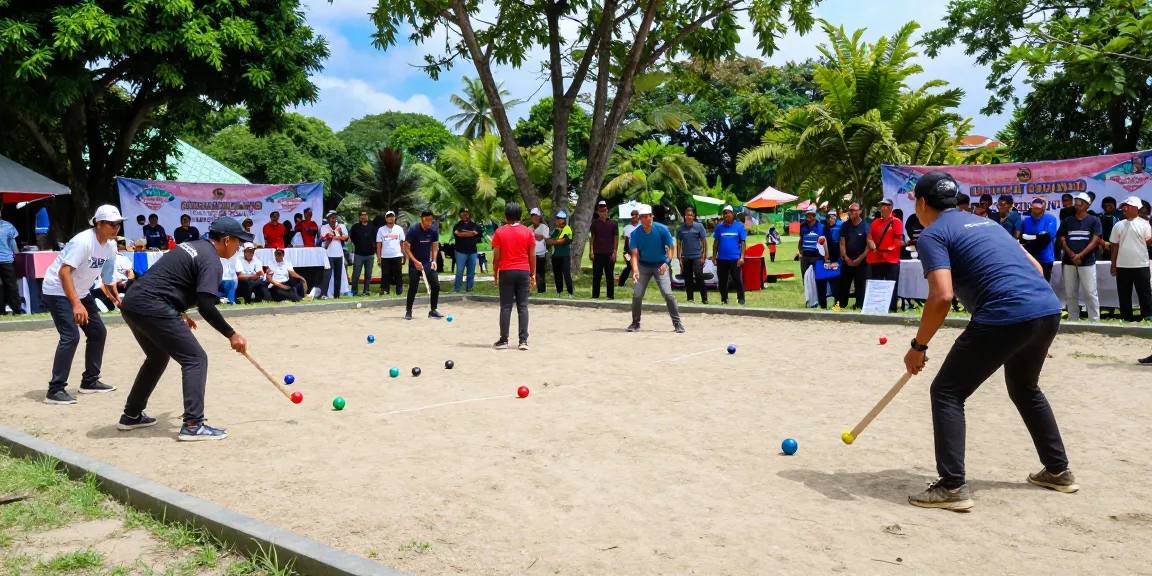
The Rise of Petanque in Indonesia
Petanque, often regarded as a leisurely sport, has been steadily gaining traction and popularity in Indonesia, particularly in urban areas like Jakarta, Bali, and Yogyakarta. This burgeoning interest can largely be attributed to the efforts of organizations like the Federasi Olahraga Petanque Indonesia (FOPI), which aim to cultivate and promote this engaging sport across the nation. For those interested in learning more about the development of petanque in Indonesia, fopikotapalu.org serves as a comprehensive resource.
History of Petanque in Indonesia
The history of petanque in Indonesia is somewhat obscure, with no definitive record of its introduction. However, it is widely accepted that the sport made its way to Indonesia through French expatriates in the late 20th century. These expatriates established petanque facilities in tourist hotels, most notably in Bali and Jakarta. One of the earliest documented instances was at Hotel Novotel in Kuta, where the sport flourished among international guests.
Despite its appealing nature, petanque remained relatively niche, primarily played within expatriate communities. One notable figure, Eddie Lim from Singapore, encountered petanque in Jakarta during the 1990s. He subsequently introduced the sport to Singapore, highlighting its potential for international outreach.
The Role of FOPI in Promoting Petanque
In 2011, the Federasi Olahraga Petanque Indonesia (FOPI) was established, catalyzed by Indonesia’s hosting of the SEA Games. Recognizing the sport’s potential, the government allocated funds and resources to develop petanque as an official sport. FOPI is responsible for organizing events, training athletes, and fostering a national community around petanque.
Under the auspices of FOPI, various local branches have been created, including FOPI Kota Palu, which works closely with local athletes and schools to promote the sport. The increasing number of tournaments and training programs illustrates the organization’s commitment to elevating petanque in the national sports landscape.
Influence of French Expatriates on the Sport
The introduction of petanque to Indonesia owes much to the influence of French expatriates. This community not only brought the game but also established the foundational infrastructure necessary for its growth. By setting up courts in leisure venues, they transformed petanque from a foreign pastime into a local activity. Educational institutions, particularly the French consulate in Yogyakarta, played a pivotal role in introducing the sport to students, ensuring that the spirit of petanque continued to thrive among younger generations.
Understanding the Basics of Petanque
For newcomers to petanque, understanding the fundamentals is essential for enjoying and excelling in the game. The sport is typically played outdoors on a variety of surfaces, including gravel and sand. Players take turns throwing metal balls, known as boules, aiming to land them as close as possible to a smaller target ball, called the cochonnet.
Essential Equipment for Beginners
- Boules: These metal balls come in various sizes and weights. Beginners should choose a boule that feels comfortable to throw.
- Cochonnet: The target ball; often small and made of wood or plastic.
- Measuring Tape: Useful for determining which boule is closest to the cochonnet.
- Outdoor Court: While professional courts exist, many players enjoy casual games in parks or backyards.
Basic Rules and Gameplay Mechanics
Petanque can be played as singles, doubles, or triples. The game begins with a player tossing the cochonnet, followed by each player taking turns to throw their boules. The objective is to have your boules closest to the cochonnet once all boules have been thrown. Points are tallied at the end of each round, with the first player or team to score 13 points winning the match.
Common Strategies for New Players
New players should focus on the following strategies:
- Aim for the Cochonnet: Prioritize getting your boule close to the target, rather than knocking opponents’ boules away.
- Watch Your Opponents: Understanding your opponent’s strategy can help you anticipate their moves.
- Practice Consistently: Regular practice will improve your throwing technique and enhance your understanding of the game.
Advancing Your Petanque Skills
As players become more familiar with the basics, the next step is to refine their skills and develop advanced strategies. Understanding the nuances of gameplay can significantly enhance performance on the court.
Techniques for Improving Accuracy and Precision
Improving accuracy in petanque involves technical adjustments and mental focus. Players should practice their throwing technique by focusing on their stance, grip, and follow-through. Using a consistent pre-shot routine can also help players maintain focus and improve their precision.
Understanding Court Positioning and Tactics
Court positioning is vital in petanque. Players should adapt their strategies based on the terrain and the individual styles of their opponents. Learning to position oneself advantageously can turn the tide in a match, especially in competitive settings.
Tricks to Read Opponent’s Moves
Reading an opponent’s body language and understanding their strategy can provide valuable insights into their next move. Experienced players often exhibit patterns in their throws, and learning to recognize these can give you the upper hand during a match.
Organizing and Participating in Petanque Events
One of the best ways to engage with the petanque community is through participation in organized events. Whether you are planning a local tournament or joining a national competition, understanding the logistical details is essential.
Planning a Local Tournament Effectively
Organizing a petanque tournament involves essential steps, including securing a venue, setting a date, and promoting the event to attract participants. Additionally, clear communication regarding rules and expectations helps ensure a successful tournament.
Key Considerations for Event Participation
When entering a tournament, players should familiarize themselves with the rules and format, prepare their equipment, and arrive early to warm up. Networking with other players can also provide beneficial insights and enhance the competitive spirit of the event.
Community Engagement and Support Opportunities
Engaging with the local community is vital for the growth of petanque in Indonesia. Creating partnerships with schools and local organizations can expand awareness and participation in the sport, fostering a supportive network for both new and experienced players.
The Future of Petanque in Indonesia
As Indonesia continues to embrace petanque, various trends and developments are shaping the future of the sport. With a focus on inclusivity and expansion, it is essential to explore these emerging changes.
Emerging Trends and Developments for 2026
The upcoming years are anticipated to bring significant changes to the sport, including increased government support and sponsorship opportunities. Additionally, the rise of social media will likely play a crucial role in promoting events and sharing success stories within the petanque community.
Potential Growth of Petanque in Schools
Encouraging petanque in schools presents an excellent opportunity to nurture young talent. Schools can integrate petanque into their physical education programs, providing students with a fun and engaging way to stay active.
Building a National Petanque Community
As the sport grows, fostering a national community becomes crucial. This can be achieved through regular competitions, workshops, and community activities that encourage players of all ages to participate and connect with one another.
What is Petanque and How is it Played?
Petanque is an outdoor game played with metal balls. The objective is to throw these balls as close as possible to a small target ball. The game is played on a variety of surfaces and offers both recreational and competitive opportunities for players of all skill levels.
How Can I Join FOPI Kota Palu?
Joining FOPI Kota Palu is straightforward. Interested individuals can contact local branches or visit the official website to learn about membership options, training sessions, and upcoming events.
What Equipment Do I Need to Start Playing Petanque?
Beginners need basic equipment, including boules, a cochonnet, and a measuring tape. Many local clubs offer rentals or provide guidance on selecting the right gear.
What Are the Health Benefits of Playing Petanque?
Playing petanque offers various health benefits, including improved hand-eye coordination, increased social interaction, and opportunities for physical activity. It can be enjoyed by individuals of all ages, promoting a healthy, active lifestyle.
How Does FOPI Support Local Petanque Athletes?
FOPI supports athletes by providing training resources, organizing competitions, and creating pathways for talent to participate in regional and national events. This commitment ensures that local athletes receive the mentorship and opportunities needed to thrive.